What is an inverter and what is its role in a solar PV system?
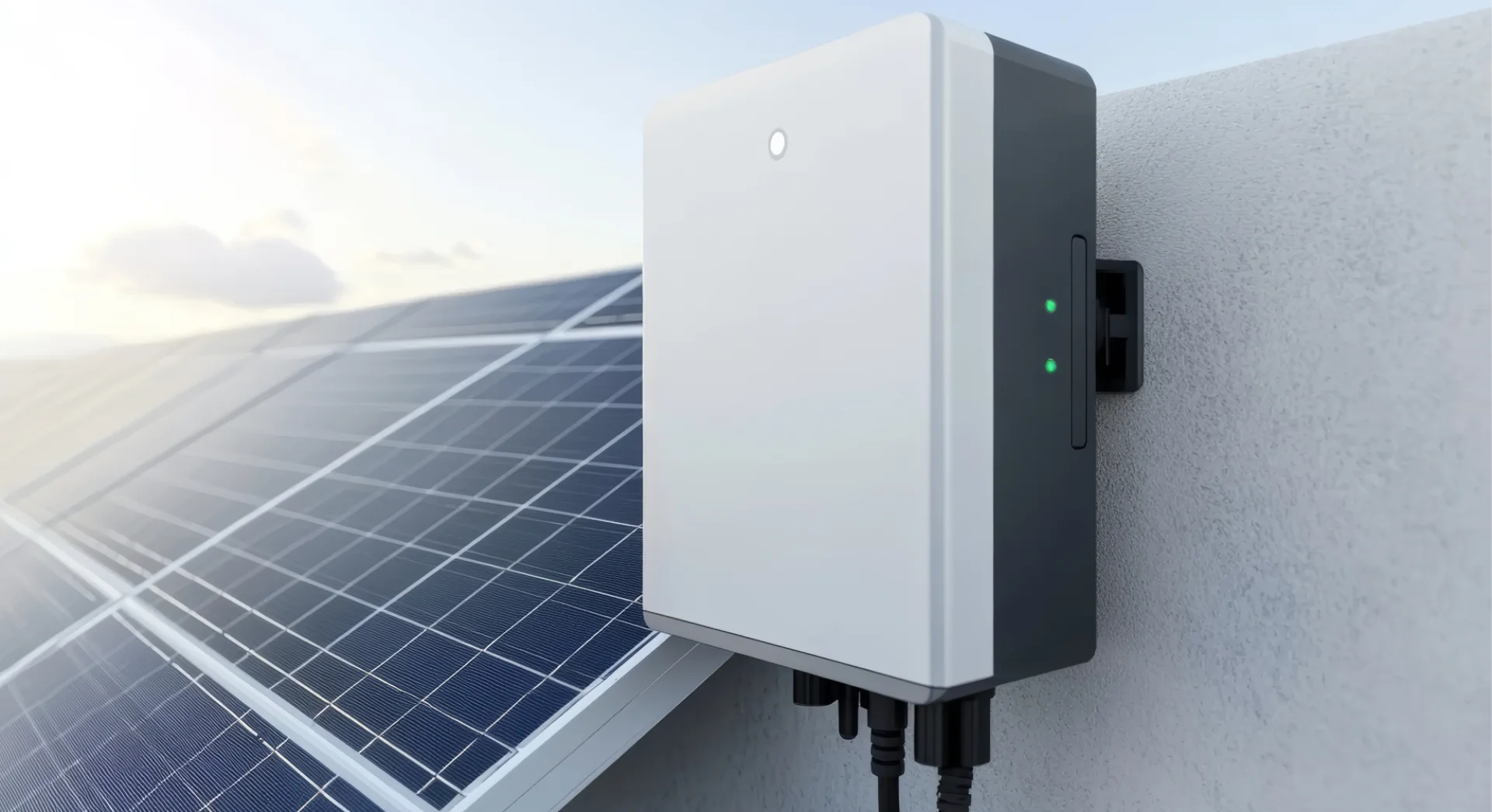
What is a Solar Inverter? What is Its Role in a Solar PV System?
If solar panels are compared to energy collectors that harvest sunlight, the "inverter" acts as the central hub that makes that energy usable for home electrical appliances and building power systems.
Many people exploring or planning a solar power installation often prioritize the number and wattage of solar panels. However, choosing the right inverter is equally crucial. Even with high-quality panels, if the inverter is mismatched with the system's size or type, overall performance may fall short of expectations.
If you are looking to understand what an inverter is, what it does, how different types compare, and how to select the right one, this article covers everything from the fundamentals to key considerations before buying.
What is a Solar Inverter? Why is it the Heart of a Solar System?
An inverter (often referred to as a power inverter) is a vital electrical component responsible for converting Direct Current (DC) electricity into Alternating Current (AC) electricity, making the power suitable for standard electrical systems.
Why is an inverter so important to a solar system? Normally, solar panels absorb sunlight and output electricity as Direct Current (DC). However, most appliances in homes, office buildings, or industrial factories operate on Alternating Current (AC). The inverter acts as an indispensable "bridge" that converts electrical current, enabling the whole system to function seamlessly.
A simplified operational flow can be summarized as follows:
Sunlight → Solar Panels → Direct Current (DC) → Inverter → Alternating Current (AC) → End-User Applications
What Does a Solar Inverter Do in a Solar PV System?
Many believe an inverter's sole purpose is power conversion. However, in modern solar systems, this component fulfills four primary roles:
1. Converting Direct Current (DC) to Alternating Current (AC)
When sunlight strikes photovoltaic cells inside solar panels, electrical energy is generated in DC form. Because standard electrical systems cannot use DC directly, the inverter receives DC power from the array and converts it into AC before distributing it to the building's electrical network.
2. Optimizing Panel Power Production
Energy production varies throughout the day due to changing solar intensity, light angles, temperature, and shading. The inverter works alongside control algorithms to locate optimal panel operating points, maximizing overall energy harvest.
3. Grid Management and Synchronization
In grid-connected (On-Grid) systems, the inverter does more than just convert power. It conditions the electricity generated by solar panels to sync safely and efficiently with the utility power grid.
4. Smart Monitoring and Diagnostics
Modern inverters come equipped with smart monitoring systems that allow users and technical personnel to track real-time data via mobile applications—including generation metrics, operational status, and system error alerts. This is especially useful for maintaining commercial and utility-scale installations.
Types of Solar Inverters: How to Choose the Right One
When installing a solar power system, you should never choose an inverter based solely on power ratings. Inverters come in several types, each designed for specific system architectures.
They are generally categorized into three main groups:
1. On-Grid Inverter
Designed to operate in tandem with the primary utility grid, this inverter draws power from solar panels to feed building electrical loads first. Its main advantage is a simplified system structure (no battery required), resulting in a lower initial investment.
Best suited for: Facilities with heavy daytime electricity consumption, such as office buildings, manufacturing plants, warehouses, and commercial stores.
2. Off-Grid Inverter
This system operates independently without reliance on the main electrical grid. It works alongside batteries to store harvested energy for use when sunlight is unavailable. Designing an off-grid system requires precise calculations to balance panel power, battery capacity, and inverter size.
Best suited for: Remote areas without grid access or applications requiring isolated backup power.
3. Hybrid Inverter
This is the most versatile inverter option, capable of managing energy flow across three sources (solar panels, utility grid, and batteries) within a single unit. It is highly popular among users seeking energy storage solutions for nighttime usage or emergency power during outages.
Additional Recommendation: For hybrid installations, Mega Industry offers premium products including leading Hybrid Inverters from DEYE, as well as high-performance inverters from Solplanet, fully covering all system requirements.
Matching the Inverter and Solar Panels Correctly
A critical caution for anyone planning a solar installation is to avoid purchasing panels and inverters independently without verifying system compatibility. Both components must work together seamlessly; improper specification matching can reduce efficiency or cause severe equipment damage.
Always evaluate these factors when choosing an inverter:
- Electrical Specifications: Total panel wattage, panel string voltages, number of panels per string, and the inverter's supported voltage range.
- Technical Features: Number of MPPTs (Maximum Power Point Tracking) to maximize power extraction.
- Site Factors: Physical installation conditions and facility electricity consumption patterns.
- System Type: Intended architecture (On-Grid, Off-Grid, or Hybrid).
Specifically for medium-to-large projects, engineering and matching components early on prevents costly project delays and budget overruns.
More Than Just an Inverter: Complete Solar System Components
While people often focus heavily on panels and inverters, a fully functional, stable, and safe solar PV system relies on a complete team of supporting components, including:
- Mounting Structures: Systems that securely anchor solar panels to rooftops or ground mounts.
- Batteries: The core component for Off-Grid or Hybrid systems that store energy for non-sunlight hours.
- Electrical Wiring & Safety Devices: Circuit breakers and Surge Protection Devices (SPD) for maximum electrical safety.
- Conduits and Cable Trays: Routing systems that organize cables and extend their operational lifespan.
- Installation & Maintenance Accessories: For large rooftop systems (Commercial & Industrial), installing "Rooftop Walkways" provides safe and easy access for maintenance personnel to inspect and clean modules.
5-Step Checklist Before Buying a Solar Inverter
Keep in mind that there is no single "best" inverter model; each unit is designed for specific applications. Here are five factors to evaluate before buying:
1. System Size and Capacity
Residential roof spaces and industrial factory roofs operate under vastly different constraints. Begin by having an expert design the system and calculate total panel power output.
2. Consumption Patterns
Identify when your peak electricity usage occurs. If your load is heaviest during the day, an On-Grid system offers the highest return on investment. If you need backup power for night hours or outages, a Hybrid system with battery storage is recommended.
3. Efficiency and Certified Standards
Inverters operate continuously under high stress. Always select models with clear specification sheets, international certifications, and comprehensive warranty terms.
4. Installation Environment
Location directly impacts equipment lifespan. Consider ambient temperature, humidity, dust exposure, rain, and airflow to match the manufacturer's operational guidelines.
5. After-Sales Support
A solar system is a long-term investment. Avoid deciding based on the "lowest price" alone. Prioritize brand reputation and distributors capable of providing long-term technical support and service.
Are Expensive Inverters Always Better?
The short answer is "Not necessarily." Suitability is far more important than price. Buying a top-tier inverter with excessive features may be a wasteful expenditure for a small residential setup. Conversely, cutting costs by choosing an under-spec unit can cause performance bottlenecks across the entire system.
The correct selection procedure should follow these steps:
1. Determine system size
2. Identify electricity load profile
3. Select inverter type
4. Verify technical specifications
5. Check certification standards and warranty coverage
6. Compare prices as the final step
Frequently Asked Questions (FAQ)
Q: What is a solar inverter?
A: An electrical device that converts Direct Current (DC) power generated by solar panels into Alternating Current (AC) power for use with standard appliances.
Q: Is an inverter mandatory for a solar system?
A: Yes. To utilize DC power from solar panels in standard AC electrical systems, an inverter is required to convert and regulate the electricity safely.
Q: What is the difference between a standard inverter and a Hybrid Inverter?
A: A Hybrid Inverter offers higher flexibility, designed to manage energy flow alongside battery storage and other power sources. Standard On-Grid inverters do not support battery connections.
Q: Should the inverter capacity match the solar panel wattage exactly?
A: No. Selection cannot be based on total wattage alone. You must evaluate system voltage, string layouts, MPPT voltage ranges, and specific manufacturer guidelines.
Q: Which inverter brand should I choose?
A: Focus on system suitability, certified technical specifications, warranty terms, and reliable local distributor support rather than choosing solely by brand name or price.
The Inverter is the Heart of Functional Solar Energy
The inverter fulfills vital roles ranging from DC-to-AC power conversion and production optimization to system management and smart monitoring.
When designing a solar power system, look beyond panel counts or price-per-watt values. Evaluate whether the inverter aligns with your system capacity, energy consumption habits, and Balance of System (BOS) components.
Mega Industry (Thailand) Co., Ltd. is a full-service distributor of solar energy equipment, providing solar panels, inverters, batteries, mounting structures, cable trays, and specialized solar installation accessories from leading global brands to support projects of all scales.